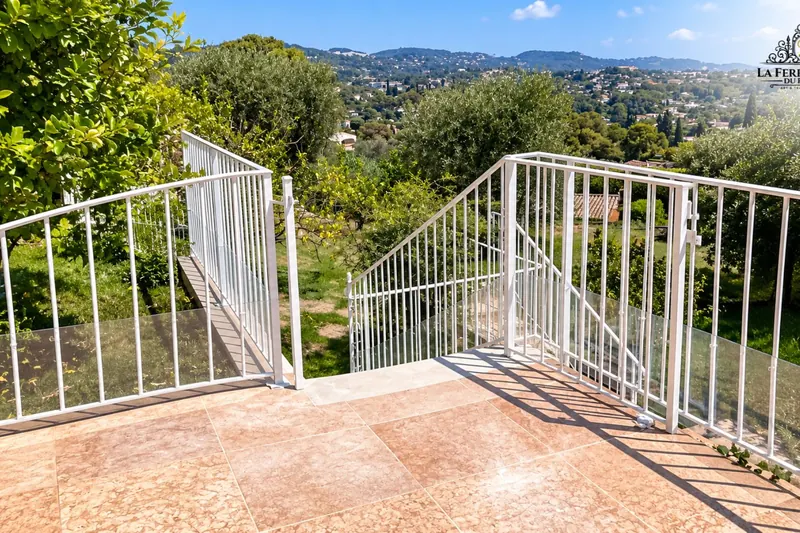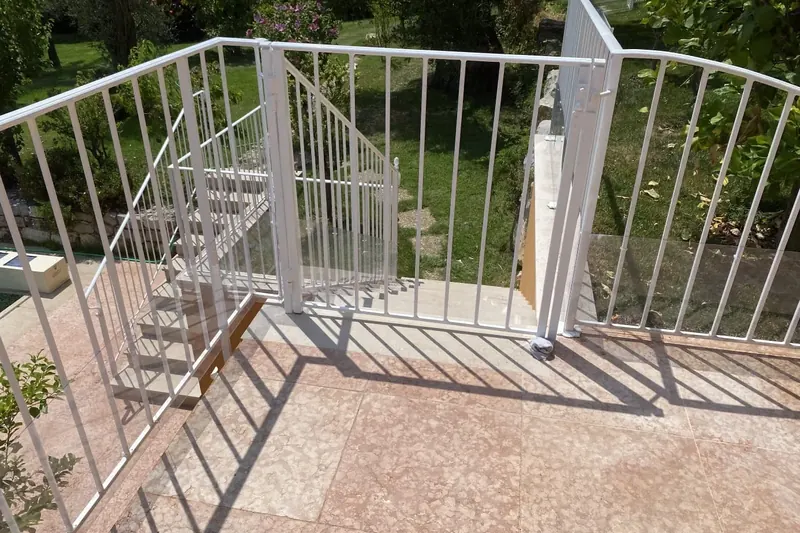

The infill is what fills the space between the top rail and the bottom of the piece. It determines the look of your railing, the view you keep, but also the level of safety and the upkeep to expect. Four solutions come up most often, and each has its strengths.
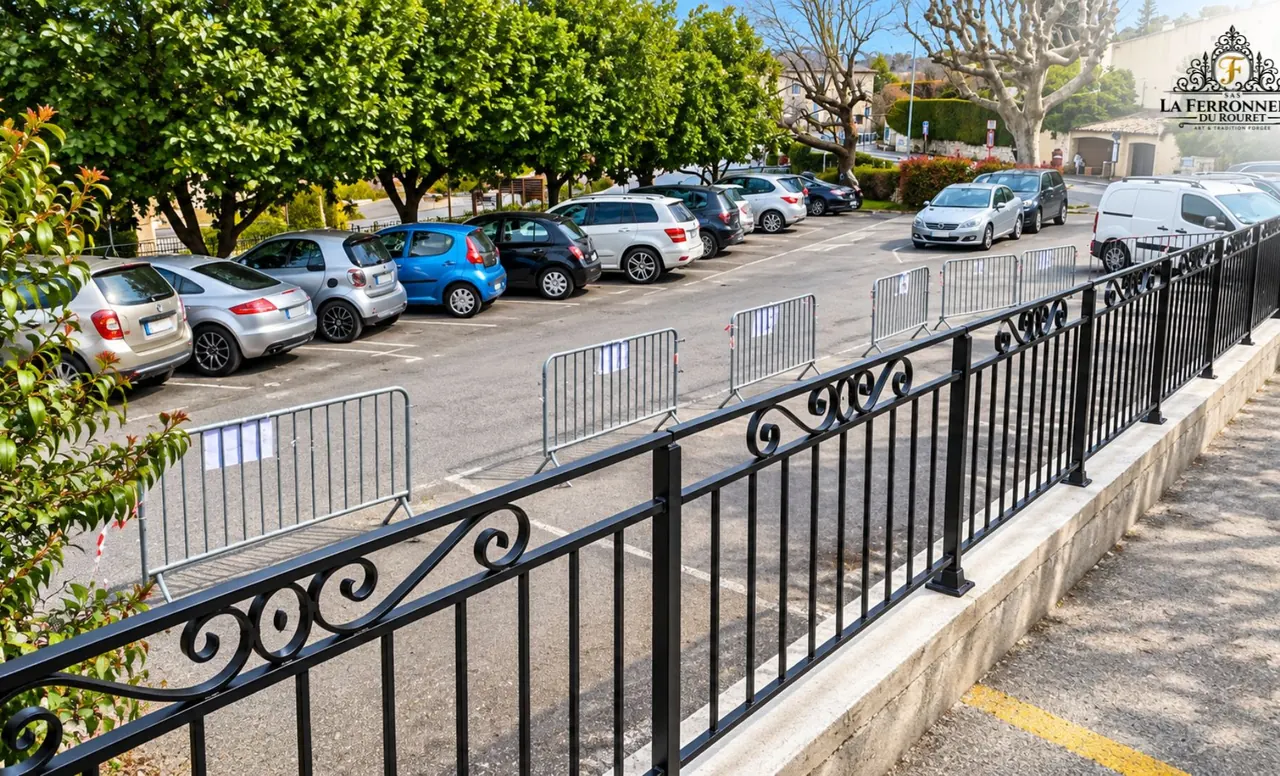
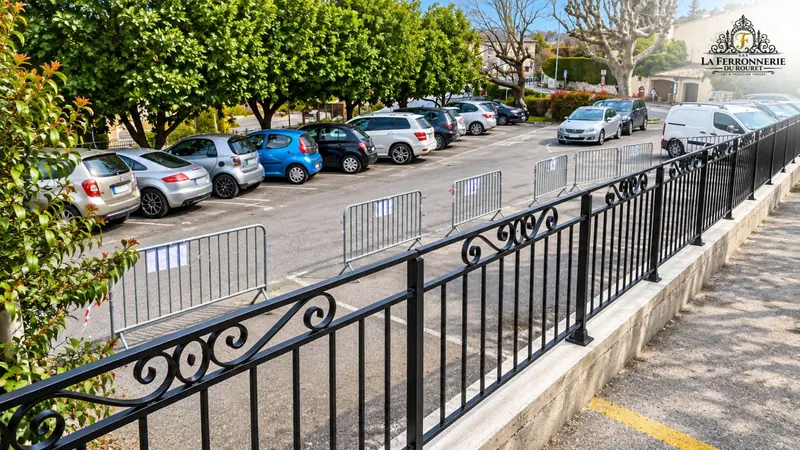
Vertical bars, straight or decorated with wrought iron scrolls, are a classic. Sturdy and easy to customise, they suit traditional houses and contemporary villas alike. Tensioned stainless steel cables offer maximum transparency, ideal facing the sea or a landscape, with very little upkeep.
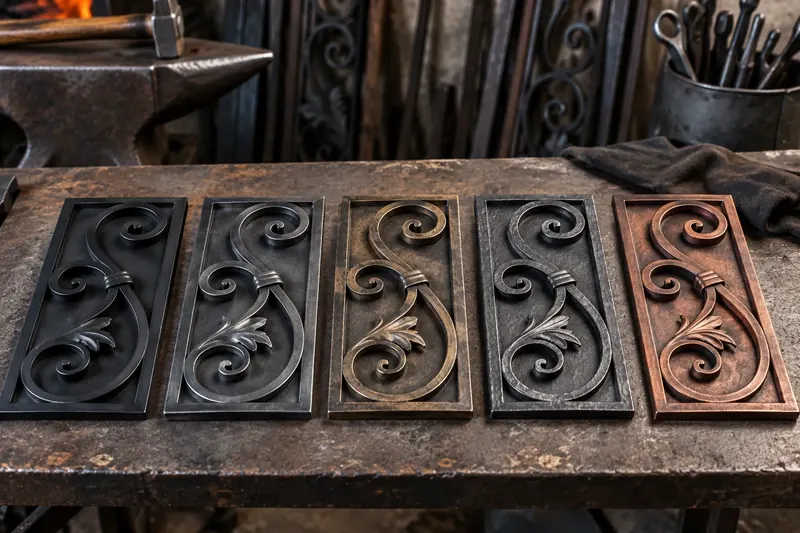
Cut sheet metal, solid or perforated, brings privacy and a unique design: a decorative pattern, lettering or even your logo. Laminated glass, finally, shelters from the wind and lets all the light through, but it needs more regular cleaning, especially by the sea.
Whatever you choose, the infill must meet the spacing and strength rules. A well-designed piece therefore combines aesthetics and safety, without ever sacrificing one for the other.
Think about upkeep too. Galvanised and powder-coated steel bars need only a rinse with clean water, stainless cables an occasional wipe, while sheet metal and glass need cleaning more often to keep their shine. On the French Riviera, sea air speeds up corrosion: a good finish makes all the difference. Finally, the budget varies with the solution chosen: simple bars remain the most economical, while stainless cables and glass need more technical installation.

The right infill depends on exposure, budget and the style of your home. We advise you after seeing the site.